
Approved IgA nephropathy med may better help kidney function
Final 2-year trial data support earlier use of oral treatment, per developer
Written by |
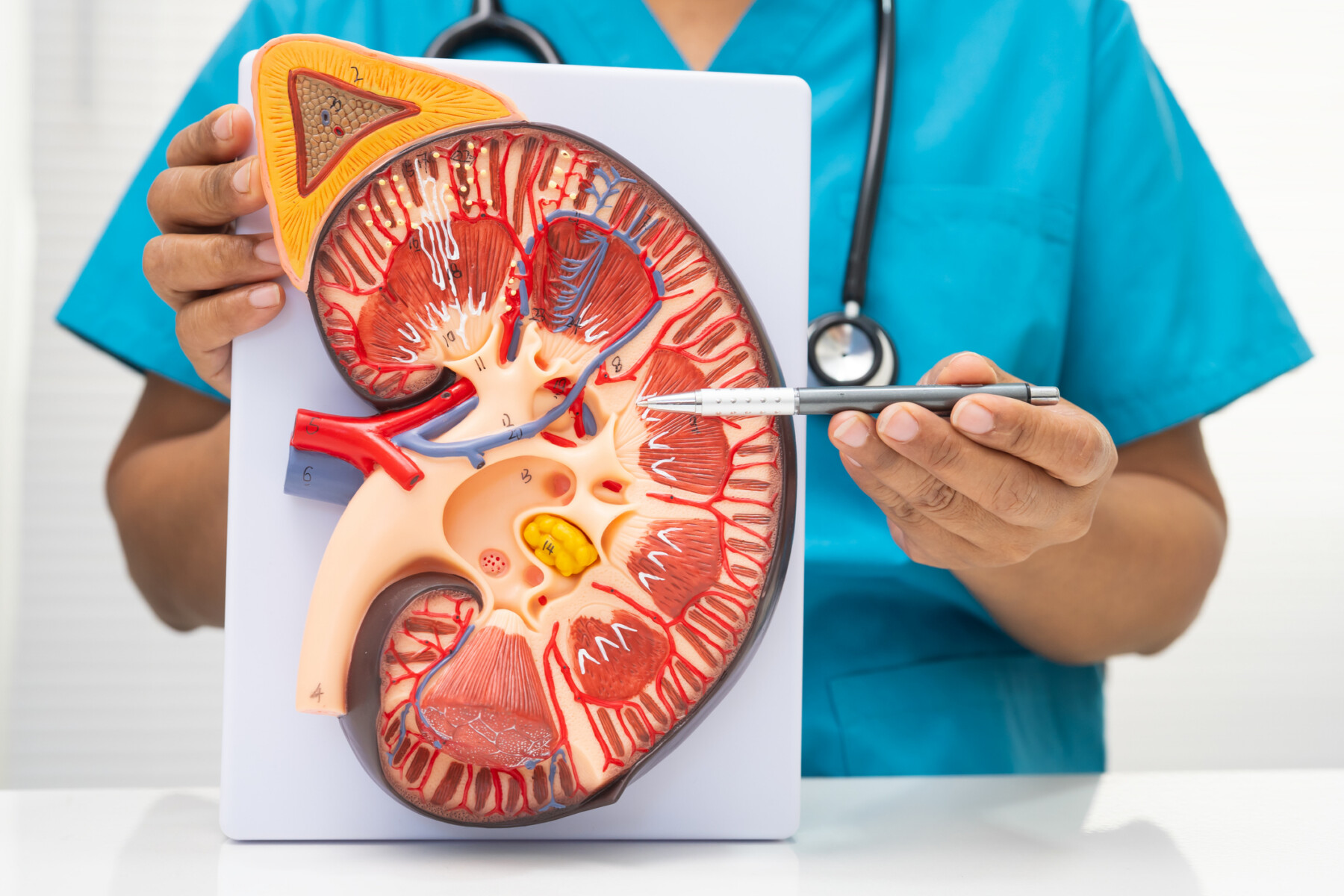
Earlier use of the approved oral treatment Filspari was shown to stabilize kidney function among people with IgAN in a clinical trial. (Image from iStock)
Initial treatment with the approved oral med Filspari (sparsentan) stabilized kidney function among people with immunoglobulin A nephropathy (IgAN), according to final two-year data from a new mid-stage clinical trial testing the oral therapy.
Travere Therapeutics, which markets the drug, says these results support Filspari as a “foundational treatment” for IgAN, and back its earlier use among patients.
The Phase 2 SPARTAN study (NCT04663204), sponsored by the University of Leicester in the U.K., tracked the impact of once-daily Filspari as a first-line treatment for IgAN in about two dozen patients. An analysis found 75% lower kidney failure rates in Filspari-treated patients compared with individuals given the maximum dose of a standard treatment in another study.
Per the team, use of Filspari also led to an approximately threefold higher rate of complete proteinuria remission among participants during the study, meaning protein levels in their urine dropped back to a normal range at any time.
“What is particularly meaningful about the SPARTAN results is the consistency of the response over two years, with kidney function remaining stable and 75% of participants achieving complete proteinuria remission,” Chee Kay Cheung, PhD, a consultant nephrologist at University Hospitals of Leicester NHS Trust, said in a press release from Travere. “These findings add to the evidence supporting earlier use of Filspari to pursue more ambitious treatment goals for patients with IgAN.”
Travere is scheduled to present the findings at the American Society of Nephrology (ASN) Kidney Week 2026, which is taking place later this month in Denver.

IgAN is a kidney disease driven by the buildup of immune proteins in the kidneys. Filspari works to treat the condition by blocking endothelin-1 and angiotensin II, two signaling molecules involved in kidney inflammation and damage in IgAN. By blocking these molecules, the therapy aims to limit kidney damage without suppressing the body’s immune system.
“Since Filspari was first approved, it has changed how many clinicians approach IgAN, offering an oral, non-immunosuppressive therapy in place of traditional [treatment options],” Cheung said.
Filspari approved in US in 2023 based on earlier trial data
In the U.S., approval of Filspari for IgAN — granted in 2023 — was based mainly on data from a late-stage clinical trial dubbed PROTECT (NCT03762850). In that Phase 3 study, Filspari outperformed a standard therapy, irbesartan, at improving kidney function.
That trial enrolled people at risk of progression to kidney failure despite being on standard IgAN medications. The SPARTAN study, in contrast, tested Filspari in people newly diagnosed with IgAN who had not yet received standard medications.
The final SPARTAN analysis provides a compelling picture of what’s possible when Filspari is used as a first-line therapy in IgAN.
SPARTAN specifically evaluated the impact of treatment on two key measures of protein function: proteinuria, which refers to high protein levels in the urine, and estimated glomerular filtration rate (eGFR), a measure of how efficiently the kidneys filter blood.
The results showed that, over the course of two years on Filspari, 75% of patients achieved complete proteinuria remission at some point.
Meanwhile, over the course of the two-year study, the average decrease in eGFR was 1.75 mL/min/1.73 m2, which is close to reference ranges. In less technical terms, the rate of kidney function decline over two years in these IgAN patients was close to what’s typically seen in healthy people as a result of normal aging.
“The final SPARTAN analysis provides a compelling picture of what’s possible when Filspari is used as a first-line therapy in IgAN,” said Jula Inrig, MD, chief medical officer of Travere. “Over two years, patients experienced high rates of complete proteinuria remission and near physiologic eGFR decline, highlighting the potential for an oral, non-immunosuppressive therapy to address both key treatment goals early in the disease course.”
At the ASN Kidney Week meeting, Travere will also be presenting new data from the PROTECT trial showing that Filspari reduced several markers of kidney inflammation to a greater extent than irbesartan. The company said its data will also “span real-world treatment experiences” with the drug.