
Monthly therapy cuts a marker of kidney damage in adults with IgAN
Sefaxersen met the primary goal of the Phase 3 IMAgINATION study
Written by |

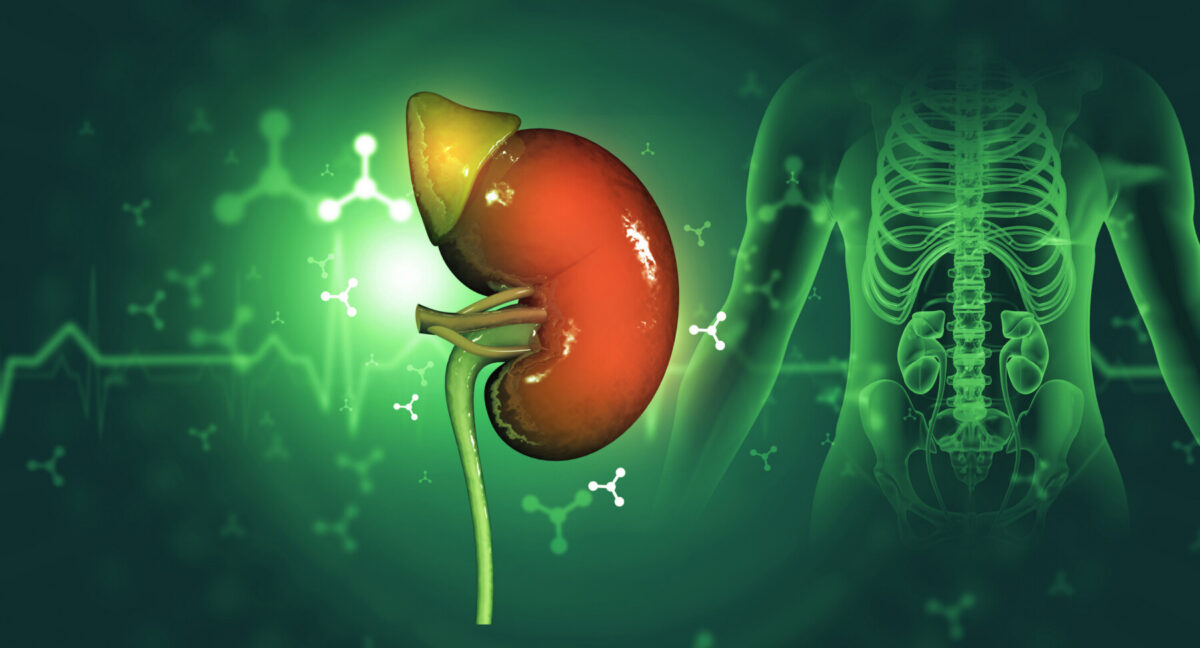
Shown is an illustration of a kidney and the urinary system. Sefaxersen is being studied in adults with IgA nephropathy, a disease that can damage the kidneys over time. (Image from iStock)
Sefaxersen, an experimental injection therapy given once monthly, reduced protein in the urine, a marker of kidney damage, in people with immunoglobulin A nephropathy (IgAN), according to new data from a Phase 3 clinical trial.
The Phase 3 study, dubbed IMAgINATION (NCT05797610), is testing sefaxersen against a placebo in 459 adults with primary IgAN at high risk of progression. Its main goal is to see if sefaxersen is better than placebo at reducing the 24-hour urine protein-to-creatinine ratio (UPCR) after 37 weeks (about 8.5 months).
UPCR is a measure of proteinuria, or protein in the urine. Proteinuria is a key indicator of kidney damage, and reductions in UPCR are strongly associated with preserving long-term kidney function.
Sefaxersen meets primary goal in Phase 3 trial
Roche, which is sponsoring the trial, announced that a prespecified interim analysis showed the study met its main goal. According to a company press release from Genentech, Roche’s subsidiary, findings showed “statistically significant and clinically meaningful improvements” in UPCR reduction with sefaxersen relative to placebo.
“These interim Phase III results show the clinical potential of sefaxersen to modify a key surrogate [measure] of kidney function in people with IgA nephropathy,” said Levi Garraway, MD, PhD, Roche’s chief medical officer and head of global product development. “Sefaxersen may therefore offer a new treatment option to help slow disease progression and potentially reduce the long-term need for dialysis or kidney transplantation.”
Safety data were consistent with earlier studies of sefaxersen, with no new safety signals identified, according to Roche. The company didn’t provide further details on the interim results, but said it will present the data at an upcoming medical meeting and share them with health authorities.
Meanwhile, the IMAgINATION study will continue as a blinded study to evaluate changes in kidney function over two years, as measured by estimated glomerular filtration rate (eGFR) at week 105.
IgAN is an autoimmune disorder marked by the buildup of IgA-containing deposits in the kidneys’ filtering units, called glomeruli. These deposits can activate the alternative complement pathway, part of the immune system, leading to inflammation and kidney damage that can ultimately cause kidney failure.
When the kidneys can no longer work well enough, patients may need dialysis, a procedure that filters waste and excess fluid from the blood. Kidney transplantation is another treatment option for kidney failure.
“Despite recent advances, important unmet needs remain, including targeted approaches that address distinct pathways of disease progression,” said Bonnie Schneider, director and co-founder of the IgA Nephropathy Foundation.
Therapy targets complement factor B in the liver
Sefaxersen is an RNA-targeted therapy designed to reduce production of complement factor B, a protein involved in IgAN. It contains an antisense oligonucleotide — a short strand of genetic material — designed to target messenger RNA (mRNA), the genetic instructions cells use to make factor B. The therapy is directed to the liver, the primary source of factor B production.
The therapy is administered once per month by injection under the skin and is intended for self-administration.
“Positive results from the IMAgINATION study represent the potential of targeted treatments that are effective and convenient, and will hopefully help delay or avoid long-term complications of IgAN,” Schneider said.
Roche is developing sefaxersen after licensing the therapy from its original developer Ionis.
“With these positive interim results, sefaxersen is positioned to directly address a primary driver of IgAN-related kidney damage, offering the potential to help slow disease progression and potentially reduce the long-term need for dialysis or kidney transplantation,” Brett P. Monia, PhD, CEO of Ionis, said in a company press release. “These findings are an important advance for the field and further demonstrate the broad potential of our RNA-targeted technology to make a meaningful difference for people living with serious diseases.”